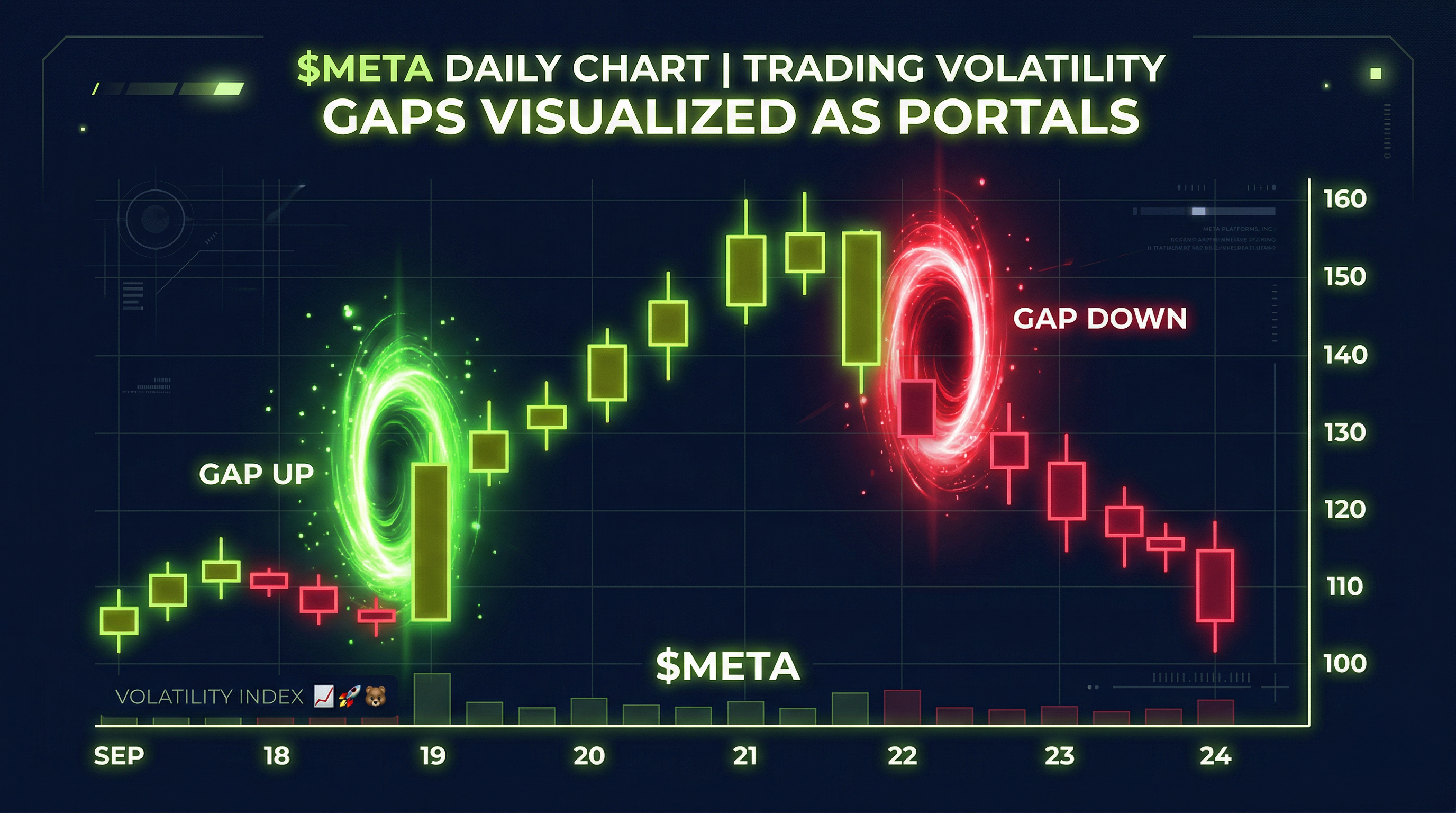
الفجوات من أكثر اللحظات المشحونة عاطفياً في التداول. تستيقظ، تتحقق من هاتفك، ويكون سهمك قد فج بنسبة 8٪ ضدك طوال الليل. أو ربما فج بنسبة 12٪ لصالحك وأنت تتساءل هل تأخذ الأرباح أو تتمسك. مررت بكلا جانبي كلا السيناريوهن — وتعلمت من مواقف الفجوات أكثر مما تعلمته من أي تجربة أخرى تقريباً. إليك ما أعرفه.
ما هو الفجوة ولماذا تتشكّل؟
الفجوة هي عندما يفتتح سهم عند سعر يختلف اختلافاً كبيراً عن سعر إغلاقه اليوم السابق، مما يخلق فراغاً حرفياً على الرسم البياني. تتشكّل الفجوات لأن أخباراً أو أحداثاً مهمة تقع خارج ساعات التداول العادية: تقارير الأرباح، إعلانات الاندماج، موافقات إدارة الغذاء والدواء (الـ FDA)، إصدارات البيانات الاقتصادية، استقالات الرئيس التنفيذي، الأحداث الجيوسياسية.
الفكرة الرئيسية عن الفجوات: تمثّل تحولاً مفاجئاً وكبيراً في تصور مشاركي السوق لقيمة السهم. فهم طبيعة هذا التحول في التصور يحدد كيفية التداول في أعقابه.
الأنواع الأربعة للفجوات
الفجوات العادية: فجوات صغيرة (1–2٪) بدون محفز إخباري محدد، تحدث في فترات الحجم المنخفض. عادةً ما تُملأ بسرعة. لا تستحق التداول خصيصاً بشأنها.
فجوات الاختراق: تقفز السعر فوق مستوى مقاومة مهم بحجم تداول قوي. هذه نماذج استمرار — يخترق السهم نطاق التوحيد باقتناع. معظمها لا يُملأ بسرعة.
فجوات الجريان (الاستمرار): تحدث في منتصف الاتجاه خلال حركات الزخم القوي. تشير إلى تسارع الاتجاه. غالباً لا تُملأ لفترات ممتدة.
فجوات الاستنفاد: تحدث في آخر الاتجاه، غالباً بحجم تداول مرتفع جداً. تشير إلى آخر اندفاعة قبل الانعكاس. هذه «فخاخ، خدعة» للمشترين المتأخرين.
نوع الفجوة أهم من حجمها. فجوة اختراق بنسبة 3٪ فوق مقاومة امتدت لشهور بحجم 3 أضعاف المتوسط أكثر صعوداً من فجوة 15٪ بدون أخبار في سهم ضعيف غير سائل. حدّد دائماً المحفز والنوع قبل التفاعل مع أي فجوة. تدرّب على تحليل أنواع الفجوات على الرسوم التاريخية باستخدام Traderise.
مفهوم ملء الفجوة: هل تُملأ الفجوة دائماً؟
ربما سمعت مقولة «الفجوات تُملأ دائماً» — بمعنى أن الأسعار تعود في النهاية إلى مستوى ما قبل الفجوة. هذا تبسيط مجحف. الحقيقة: حوالي 70–80٪ من الفجوات العادية تُملأ بسرعة نسبية. لكن فجوات الاختراق والجريان غالباً ما لا تُملأ لشهور أو سنوات، إن مُلئت أصلاً.
ميل ملء الفجوة أقوى في:
- الفجوات الصغيرة (أقل من 3٪) بدون محفز إخباري
- الفجوات التي تحدث عكس الاتجاه الرئيسي
- الفجوات المتشكلة في الأسواق المتقطعة الهادئة
وأضعف في:
- الفجوات المدفوعة بالأرباح مع تغييرات أساسية جوهرية
- الفجوات التي تكمل اختراقات فوق مقاومة رئيسية طويلة الأمد
- الفجوات ذات حجم شراء مؤسساتي مستدام
3 استراتيجيات عملية لتداول الفجوات
الاستراتيجية 1: فجوة وانطلق (الزخم)
الأفضل لـ: فجوات الاختراق القوية على خلفية تجاوز توقعات الأرباح، الأخبار الكبرى، أو الاختراقات الفنية فوق مقاومة مهمة.
الإجراء: يفج السهم 5٪ فأكثر بمحفز حجم عالي. انتظر أول 15–30 دقيقة من التداول لتحديد نطاق الافتتاح. عندما يكسر السعر أعلى هذا النطاق بحجم، ادخل شراءاً. وضع وقف الخسارة تحت أدنى نطاق الافتتاح. الهدف: الحركة المقيسة (ارتفاع النطاق مُسقطاً فوق الاختراق).
الاستراتيجية 2: تداول ملء الفجوة (العودة إلى المتوسط)
الأفضل لـ: الفجوات الصغيرة العادية في الأسهم ذات السيولة بدون محفز إخباري مهم.
الإجراء: ينخفض السهم 2–3٪ عند الافتتاح لا لسبب أساسي محدد (تراجع السوق الواسع، ضعف القطاع). انتظر 30 دقيقة لترى ما إذا كان ضغط البيع المبدئي مستمراً أم يخفت. إذا تباطأ البيع واستقر السعر قرب أدنى سعر افتتاح، اشترِ بوقف خسارة ضيق تحت أدنى سعر مبكر. الهدف: إغلاق اليوم السابق (ملء الفجوة).
الاستراتيجية 3: الاحتفاظ بالفجوة بعد الأرباح
الأفضل لـ: تجاوز توقعات الأرباح الأساسية القوية مع مراجعة إيجابية هامة للتوجيهات.
الإجراء: تتجاوز الشركة توقعات الأرباح بشكل كبير وترفع توجيهاتها للسنة بأكملها بشكل ملحوظ. يفج السهم 10–15٪. بدلاً من المطاردة فوراً، انتظر 2–3 أيام حتى تتلاشى التقلبات الأولية. تخلق الفجوة مستوى دعم جديداً (قاعدة الفجوة). عندما يرتد السعر من هذا الدعم الجديد، اشترِ بوقف خسارة أسفله مباشرة. كثيراً ما يستمر شراء المؤسسات لأسابيع بعد تجاوز أرباح كبير مع إضافة الصناديق الكبيرة لمركززها.
تدرّب على هذه الاستراتيجية بدون مخاطرة
Traderise يتيح لك التداول التجريبي بـ 10,000 دولار افتراضية ببيانات سوق حقيقية. اختبر كل استراتيجية في هذا المقال قبل أن تخاطر بدولار حقيقي واحد.
ابدأ التداول التجريبي مجاناًأكبر أخطاء تداول الفجوات التي ارتكبتها
الخطأ 1: مطاردة الفجوات فور الافتتاح
في لحظة افتتاح السوق بعد فجوة كبيرة، يكون لديك أقصى حالة من عدم اليقين وأقصى تفاوت في السعر. قد تتلاشى الفجوة 50٪ في أول 5 دقائق ثم تواصل صعوداً، أو قد تواصل مباشرة للأعلى. مطاردة الفجوة عند الافتتاح دون انتظار اتجاه واضح كثيراً ما ينتهي بالشراء عند قمة ارتفاع أولي. انتظر 15–30 دقيقة على الأقل لإيجاد إعداد أنظف.
الخطأ 2: افتراض أن كل فجوة ستُملأ
كان لديّ مركز فج بنسبة 8٪ هبوطاً على خلفية الأرباح. كان إخفاقاً حقيقياً في الأرباح — ليس طارئاً. تمسكت به منتظراً «ملء» الفجوة كما سمعت. بعد ستة أشهر، لا زلت أنتظر. دائماً قيّم السبب الأساسي للفجوة قبل افتراض أنها ستنعكس.
الخطأ 3: شراء فجوات الاستنفاد
بعد أن يكون السهم يجري لأسابيع على حجم تداول كثيف، تكون الفجوة المتفجرة النهائية على حجم متطرف (5 أضعاف المتوسط أو أكثر) غالباً ما تكون استنفاداً، لا استمراراً. هذه من أخطر الأماكن لمطاردة الزخم. اشتريت أحدها ظاناً أن الحركة كان أمامها مزيد. انعكست في نفس اليوم وتحملت خسارة مؤلمة. سياق الحجم هو كل شيء.
استخدم منصة Traderise للتداول التجريبي للتدريب على الاستراتيجيات الثلاث بدائع على بيانات تاريخية حقيقية. حدّد نوع الفجوة التي تتعامل معها قبل الالتزام باتجاه، وتتبّع نتائجك عبر عينة ذات دلالة إحصائية من الصفقات.
تدرّب على تداول الفجوات بدون مخاطرة
تعلّم تحديد أنواع الفجوات وتداولها بشكل صحيح بأدوات Traderise للتداول التجريبي. شاهد كيف يتكشّف النمط ذاته عبر ظروف سوق مختلفة قبل أن تخاطر بمال حقيقي.
جرّب Traderise مجاناً